
I used to be the kind of person who thrived under pressure—or at least, that’s what I told myself. The week before a big event, my craft room would transform into a whirlwind of supplies, half-finished projects, and panic. I’d be racing to restock items, juggling deadlines, and convincing myself that everything would come together… eventually. Spoiler: it didn’t feel good.
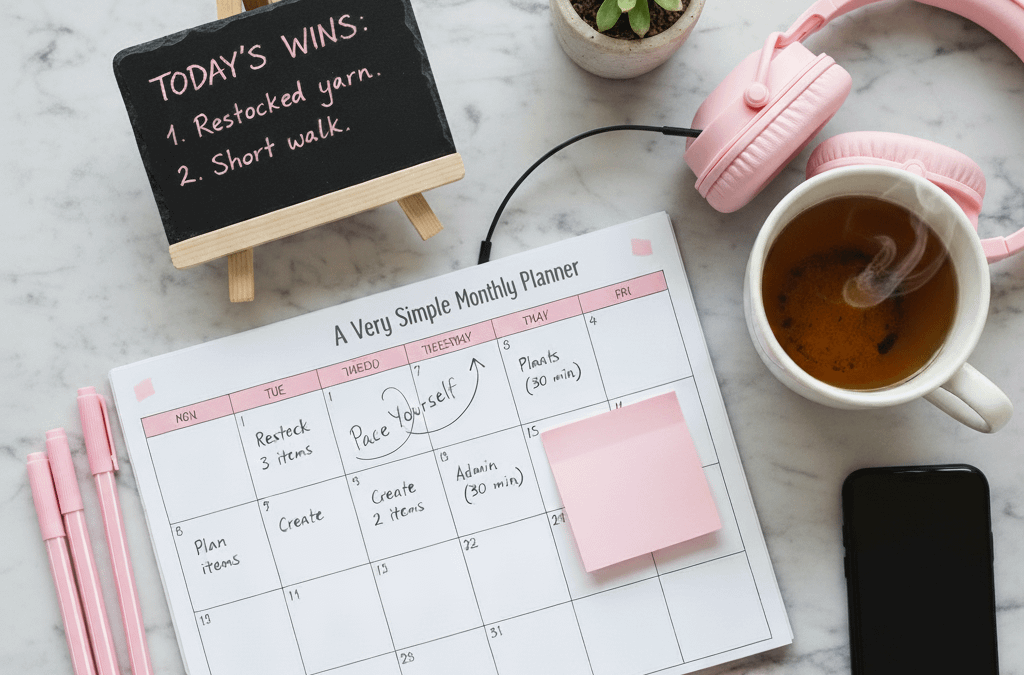
This time, I’m trying something different. With my upcoming market, I’ve started planning ahead, prepping a little each day, well in advance. Instead of waiting until the last minute, I’m pacing myself. Gradually restocking items, keeping my craft space organized, and tackling tasks in small, manageable chunks. The difference? I feel calmer, more in control, and even excited about the work I’m doing.
Why We Wait Until the Last Minute
Procrastination isn’t always about laziness. Often, it’s about believing we perform better under pressure or underestimating the time a task will take. Maybe we think, “I’ll have time later,” or “I work best when I’m rushing.” The problem is, waiting until the last minute often backfires. Instead of a burst of productivity, it brings stress, clutter, and exhaustion.
The Costs of Last-Minute Stress
When you push tasks to the last minute, stress multiplies. You feel overwhelmed, anxious, and your workspace—whether it’s a craft room, office, or kitchen—ends up chaotic. I’ve learned the hard way that last-minute prep for a market doesn’t just impact inventory; it drains your energy, makes mistakes more likely, and steals the joy out of creating.
The Power of Pacing Yourself
Pacing yourself isn’t about doing less—it’s about being strategic. By planning ahead and spreading tasks out over time, you give yourself the chance to focus, reflect, and make steady progress. For me, this means restocking items a little at a time in the weeks leading up to the market, so my craft room stays tidy and my mind stays clear. A resource that has helped me is Atomic Habits by author James Clear. This book helped me learn how small changes can lead to remarkable results over time
Even something as small as a “vendor market prep” task—like topping up inventory—becomes manageable when approached gradually. The key is small steps, consistent effort, and gentle pacing, which prevents burnout before it starts.
Tips to Planning Ahead Without Feeling Overwhelmed
- Break large tasks into small daily goals to make planning ahead more manageable
Instead of restocking everything in one day, do a few items each day. - Keep a visible schedule or checklist.
Seeing your progress can reduce anxiety and keep you motivated. - Celebrate small wins.
Even minor progress deserves acknowledgment—it keeps momentum going. - Set boundaries to protect your energy.
For example, turning your phone off during prep time prevents distractions and unnecessary stress.
Why Gradual Preparation Works
Gradual preparation isn’t just a strategy for productivity—it’s a strategy for your mental well-being. Taking the time to pace yourself allows for clarity, focus, and even creativity. For me, this approach has transformed how I feel about my upcoming market: instead of dread and chaos, there’s calm, confidence, and a sense of control.
“It’s not about doing everything at once; it’s about doing what you can, when you can, and being gentle with yourself along the way.”
Conclusion
Pacing yourself and planning ahead can make a world of difference in preventing stress and burnout. Whether it’s preparing for a market, a work project, or even household tasks, small, consistent efforts can bring big results.
I’m already seeing the benefits in my own life, and I encourage you to try it too. What’s one thing you can start today to pace yourself and protect your energy?