
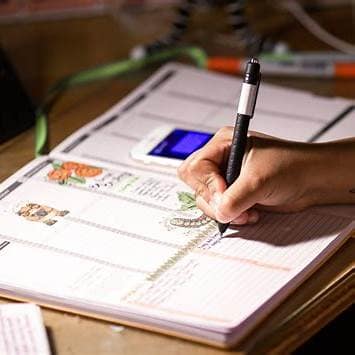
Let’s be real—life gets busy. Between work, family, and personal goals, it’s easy to feel like there’s never enough time in the day. But guess what? A good planner can change everything. Whether you’re juggling a packed schedule or just trying to get through the week without forgetting an important deadline, using daily, weekly, and monthly planners can make all the difference.
In this guide, I’ll show you how to make the most of each type of planner, so you can take control of your time and actually enjoy your days. Sound good? Let’s dive in!
Why Planning Works (And Why You’ll Love It!)
Before we jump into the details, let’s talk about why planning is such a game-changer:
- Clarity: A planner gives you a clear picture of what needs to get done and when.
- Focus: Breaking tasks into smaller steps helps you stay on track without feeling overwhelmed.
- Less Stress: When you know what’s coming, there’s no last-minute scrambling.
- Accountability: Writing things down makes you way more likely to follow through.
Alright, now let’s get into how to use each type of planner effectively!
How to Use a Daily Planner Without Overcomplicating Things
A daily planner is perfect for getting super detailed about your schedule. It’s great for:
- Time-blocking: Set aside specific chunks of time for tasks, meetings, or self-care.
- To-do lists: Prioritize your most important tasks so you don’t get lost in the busywork.
- Habit tracking: Keep up with habits like hydration, workouts, or journaling.
Try This:
- Each morning, take five minutes to map out your day.
- Pick your top three must-do tasks and focus on those first.
- End the day with a quick review—what worked and what needs tweaking?
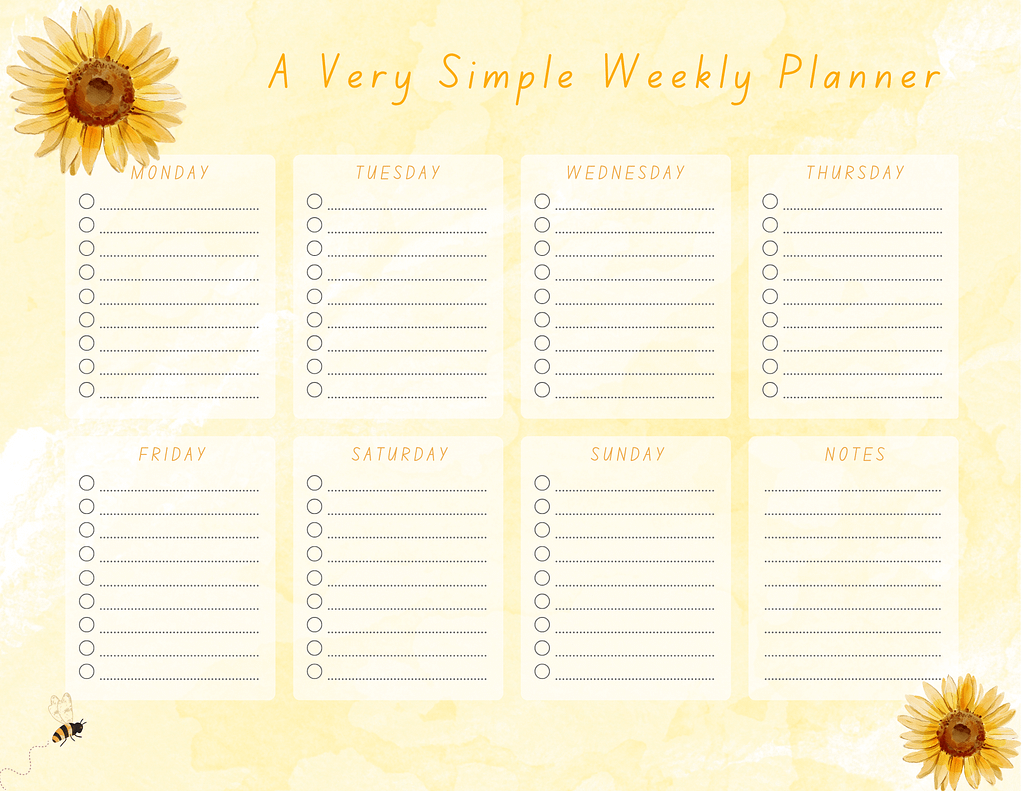
How to Make a Weekly Planner Work for You
A weekly planner helps you see the bigger picture without getting caught up in the daily grind. Use it to:
- Plan ahead: Schedule appointments, deadlines, and social plans all in one place.
- Set goals: Decide what you want to accomplish by the end of the week.
- Track progress: Look back at what you got done and adjust as needed.
Pro Tips:
- Take 10–15 minutes on Sunday or Monday to plan your week.
- Include work, personal, and fun stuff—balance is key!
- Use color coding, stickers, or highlighters to make it easy to scan.
“Shop my daily, weekly, and monthly spiral Notebook & notepad Planners“
How to Use a Monthly Planner to Stay on Top of Everything
A monthly planner is all about big-picture planning. It’s perfect for:
- Marking important dates: Birthdays, deadlines, events—keep track of it all.
- Setting goals: Define what you want to accomplish over the month.
- Prepping ahead: Plan vacations, major projects, or even meal prepping.
Easy Ways to Stay on Track:
- At the start of each month, take 10 minutes to map out key events.
- Break big goals into smaller steps that you can spread across weeks.
- Use sticky notes or washi tape for flexible scheduling.
How to Make Daily, Weekly & Monthly Planners Work Together
Want to get the most out of your planners? Here’s how to combine them for maximum impact:
- Start with Your Monthly Planner: Note down all major events and goals.
- Break It Down in Your Weekly Planner: Turn monthly goals into smaller, actionable tasks.
- Get Specific with Your Daily Planner: Each morning, fine-tune your plan based on your weekly outline.
This method helps you balance long-term goals with daily to-dos, so nothing falls through the cracks.
Sticking to the Plan: Tips for Consistency
- Make It a Habit: Set aside time each day or week to update your planners.
- Keep It Simple: Don’t overcomplicate things—find a system that works for you.
- Adjust as Needed: Life happens! Be flexible and tweak your approach when necessary.
Final Thoughts
Using daily, weekly, and monthly planners isn’t just about getting more done—it’s about making life easier and more enjoyable. Whether you’re a longtime planner lover or just starting out, the key is consistency. Start small, experiment with what works, and before you know it, you’ll be mastering your time like a pro.
Do you have any planner tips or tricks? Share them in the comments—I’d love to hear how you stay organized!